One Team or Two Vendors? What Works Best for Central Ohio Weddings
By Kodjo, Kodjoarts — Columbus, Ohio wedding photographer and videographer with over 10 years of experience and 400+ weddings captured across Central Ohio.
If you're planning a wedding in Columbus or anywhere in Central Ohio, you've probably hit this question early in the process: should you hire one company to handle both your photography and videography, or book a separate photographer and videographer individually?
It's one of those decisions that seems small on paper but actually shapes a lot of how your wedding day runs and how your memories turn out. After shooting hundreds of weddings across Central Ohio, from the marble staircases of the Ohio Statehouse to the open fields at Jorgensen Farms, we've seen both approaches work well, and we've seen both create headaches. Here's what we've learned.
The Case for One Team
The most obvious benefit of booking a combined photo and video team is cost. Bundled packages are almost always less expensive than paying full rates to two separate businesses, since there's overlap in travel, planning calls, and time on-site.
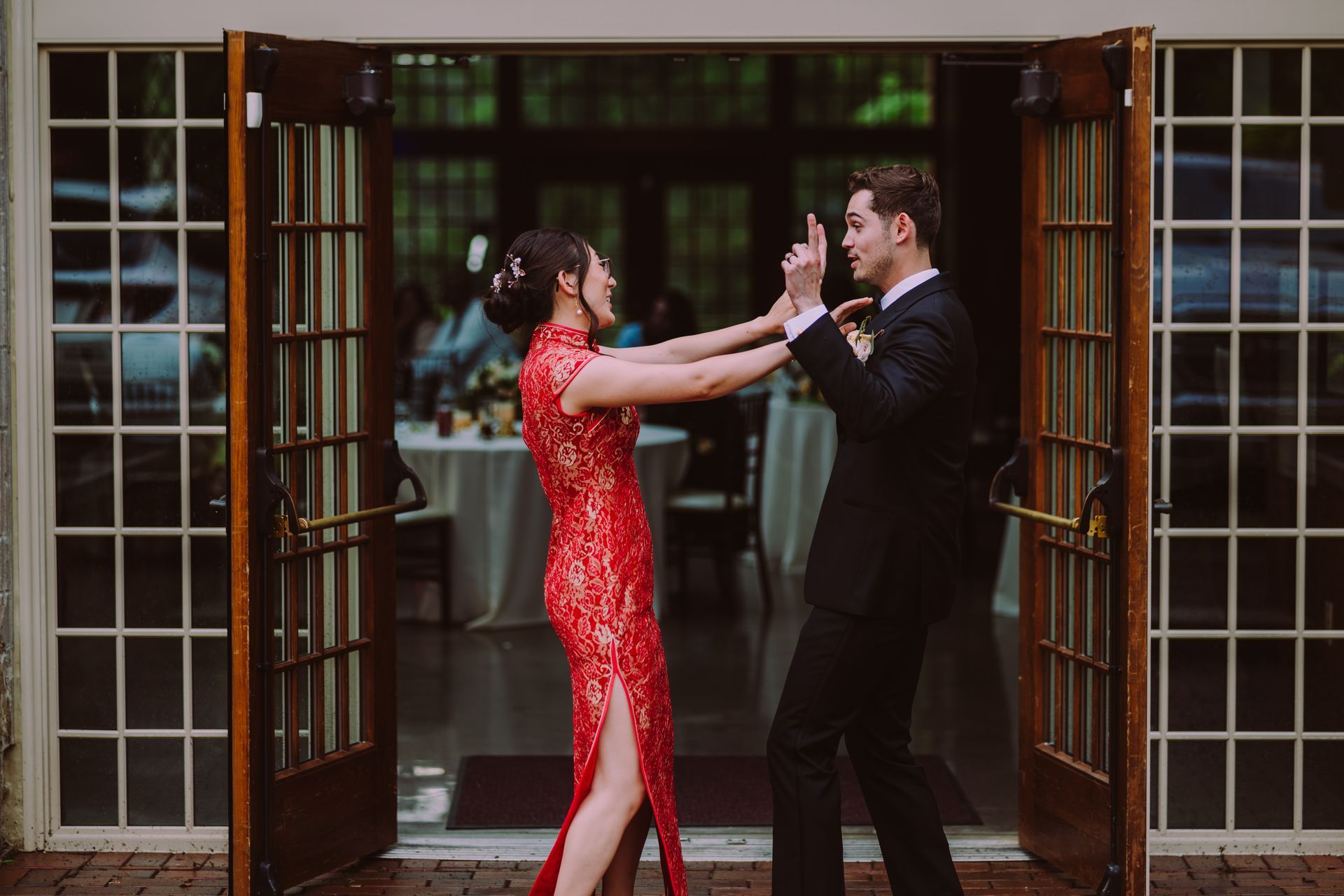
But the bigger benefit, especially for Central Ohio weddings, is coordination. When your photographer and videographer already work together, they know each other's habits. They're not negotiating who stands where during the ceremony or bumping into each other during the first dance. They've built a shorthand for moving through a day efficiently.
This matters a lot at venues with tight timelines or unique layouts. At a venue like Jeffrey's Mansion, where you've got multiple rooms, a grand staircase, and beautiful natural light that shifts throughout the day, a team that's used to working that space together can move from room to room without losing time figuring out logistics on the fly. The same goes for outdoor ceremony spaces—when weather changes plans last-minute, a team that already communicates well can adjust together instead of two separate vendors scrambling to coordinate a new plan independently.
There's also a simpler perk: fewer people to manage. One point of contact for questions, one contract, one team to introduce to your wedding party and family. For couples who already feel stretched thin by vendor logistics, that simplicity is worth a lot.
One small detail that makes a bigger difference than you'd expect: our team wears headsets throughout the day. While we're covering your wedding, we're communicating in real time about where everyone is, what's coming up next, and who's covering what angle. That means we're not crossing paths, doubling up on the same shot, or missing something because two people assumed the other had it covered. It's a small thing, but it keeps the day running smoothly and lets us focus on capturing moments instead of figuring out logistics in the moment.
The Case for Two Vendors
That said, booking separately isn't the wrong choice; it just comes down to priorities.
The biggest reason couples go this route is style. Maybe you've found a photographer whose editing style you're obsessed with, but they don't offer video (or their video work doesn't match what you're picturing). In that case, it often makes more sense to hire the photographer you love and find a videographer separately, even if it means an extra vendor to manage.
Two separate vendors can also mean more total coverage. If your wedding has a big guest list, multiple getting-ready locations, or a layout where things are happening simultaneously in different spots, having more people capturing moments, even from different companies, means less gets missed.
The tradeoff is exactly what you'd expect: more vendors to coordinate, potentially higher total cost, and the risk that two teams meeting for the first time on your wedding day don't mesh as smoothly. We've seen this work out completely fine plenty of times, most professionals are used to working alongside others—but it does add a layer of unpredictability that a combined team avoids.
What We've Seen at Central Ohio Venues
Every venue has its own personality, and that affects how photo and video coverage plays out.
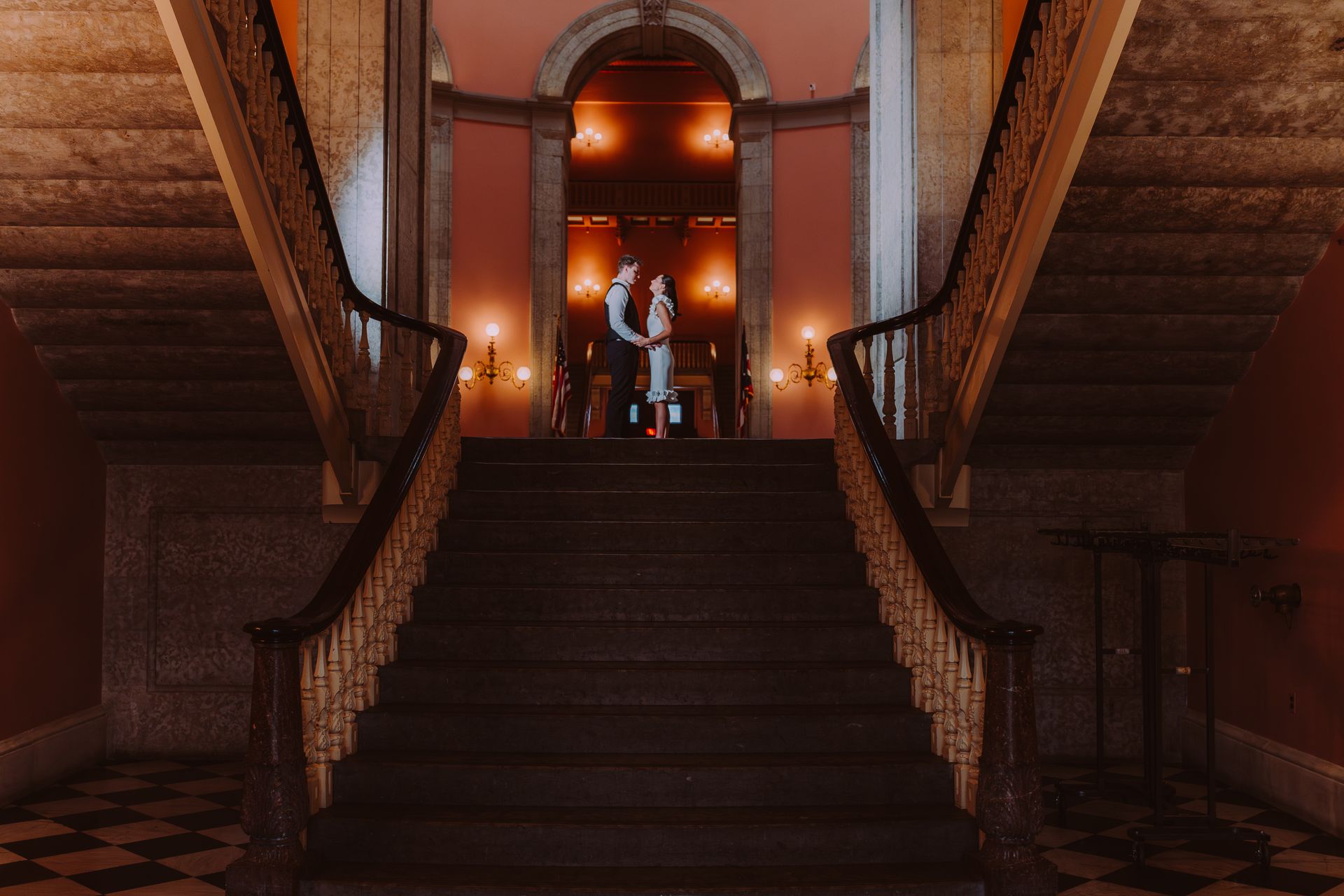
Ohio Statehouse weddings tend to be formal, with a strong architectural backdrop, tall ceilings, marble, and big windows. The lighting is gorgeous but can be tricky depending on the time of day, and the space doesn't leave a lot of room for two separate teams to spread out without getting in each other's shots. A coordinated team makes a real difference here.
Jorgensen Farms Oak Grove is the opposite in some ways, wide open, natural, lots of space to work with. This is a venue where additional coverage (a second shooter or a separate videographer) can genuinely add value, since there's enough room for multiple vantage points without anyone stepping on each other's toes. Weather is also more of a factor outdoors, so a team that communicates well about backup plans matters.
Jeffrey's Mansion has that multi-room, golden-hour quality that rewards a team who already knows the flow of the building, where the light is best at different times, which rooms photograph well, and how to move guests and the wedding party through the day without feeling rushed.
Brookshire offers a flexible layout that works for a range of wedding sizes and styles, which means the right approach (one team vs. two) often comes down to your specific guest count and how much is happening at once.
None of this means one venue type requires one approach, it's more that certain venues make the logistics of "two vendors meeting for the first time" either a non-issue or something worth thinking through ahead of time.
How to Decide
A few questions can help you figure out which direction makes sense for your wedding:
- Is staying within budget a top priority? A combined package usually wins here.
- Do you already love a specific photographer or videographer's style, even if they don't offer both services? Booking separately might be worth it.
- Is your venue tight on space, or does your timeline move fast? A team used to working together will likely make your day smoother.
- Do you have a large guest list or multiple locations happening at once? More total coverage, even from separate vendors, might serve you better.
There's no universally "right" answer, but most couples find that once they're honest about what matters most—budget, style, or coverage—the decision becomes a lot clearer.
Frequently Asked Questions
Is it cheaper to hire one company for photo and video?
Generally, yes. Bundled packages typically cost less than booking a photographer and videographer separately, since there's overlap in travel time, planning, and time on-site that a combined team can streamline.
Will two separate vendors get in each other's way during the wedding?
Not necessarily, but it can happen, especially if the two teams haven't worked together before. Experienced vendors are usually good at adapting on the spot, but a team that already works together—and communicates throughout the day—tends to avoid these moments altogether.
Do I need a second shooter or videographer for a smaller wedding?
It depends on your venue and timeline more than your guest count. If you and your partner are getting ready in the same location and your venue has a fairly simple layout, one photographer and one videographer working together is often plenty. Larger venues, multiple getting-ready locations, or back-to-back events happening simultaneously are where extra coverage helps most.
What if I love a photographer's style but they don't offer videography?
This is one of the best reasons to book separately. It's common, and most photographers can recommend videographers they've worked well with before, which can help bridge the coordination gap.
Does Kodjoarts offer both photography and videography as a combined package?
Yes. We offer combined coverage and have experience working at a range of Central Ohio venues, from historic buildings to open-air farm venues. If you're not sure what makes sense for your wedding, we're happy to talk through your specific venue and timeline.
How We Approach It
At Kodjoarts, we offer combined photo and video coverage, and we've built our process around exactly the kind of coordination that makes a difference at venues like the ones above. If you're still deciding whether one team or two vendors makes sense for your wedding, we're happy to talk through your specific venue, timeline, and vision—no pressure, just an honest conversation about what would work best for your day.
Reach out anytime to chat about your wedding plans, and we'd love to help you figure out the right fit.