6 Hours vs 8 Hours vs 10 Hours of Wedding Coverage: What Do You Really Need?
One of the biggest questions couples ask when planning wedding photography or videography is simple: How many hours of coverage do we actually need? It sounds like a small detail at first, but your coverage length shapes what gets captured, how relaxed the day feels, and whether your final gallery or film tells the full story.
If you want the short answer, here it is: 6 hours works best for smaller and more streamlined weddings, 8 hours is the best fit for most couples, and 10 hours is ideal for larger celebrations or wedding days with more moving parts. The right choice depends on your timeline, the number of locations, how important getting ready and reception coverage are to you, and whether you want your day to feel efficient or fully documented from start to finish.
A lot of couples underestimate how quickly a wedding day moves. What looks like “plenty of time” on paper can disappear fast once you factor in hair and makeup delays, transportation, family portraits, ceremony timing, cocktail hour, speeches, and dancing. That is why choosing coverage is not just about price. It is about protecting the moments you will care about most later.
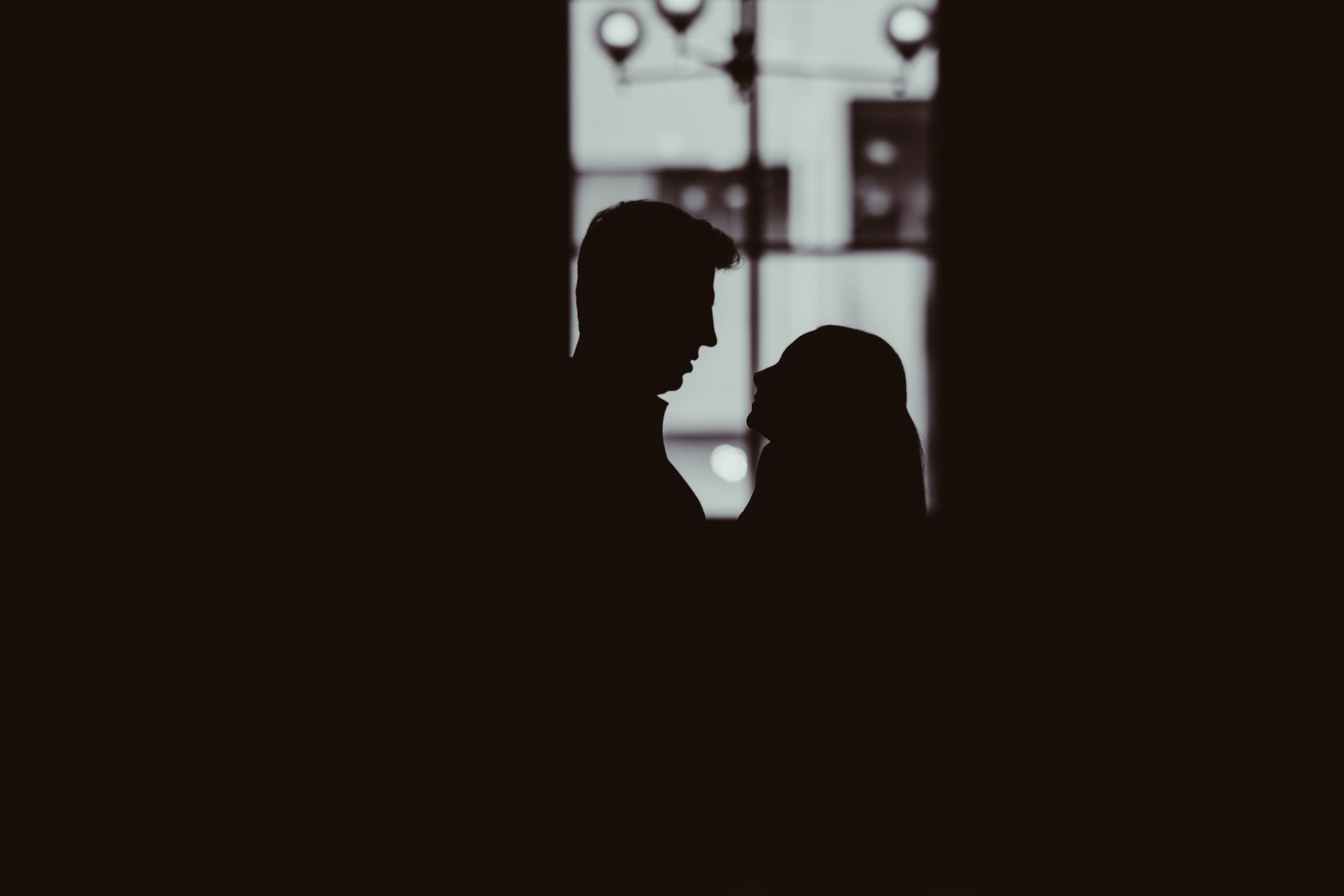
Why wedding coverage hours matter more than most couples think
Your wedding day is not just one event. It is a series of moments unfolding across the day. Getting ready has a completely different energy than the ceremony. Family portraits feel different from quiet sunset portraits. Speeches, first dances, and open dancing tell another side of the story. The more coverage you have, the more complete and natural your final photos and film feel.
When coverage is too short, your team often has to move quickly from one major part of the day to the next without much breathing room. That can create a rushed feeling. It can also force you to choose between moments. For example, some couples want details, getting ready, first look, full ceremony, family portraits, cocktail hour, reception entrance, speeches, dances, and dancing coverage, all inside a shorter package. In reality, that is often too much to fit comfortably without sacrificing something.
Coverage should match the story you want preserved.
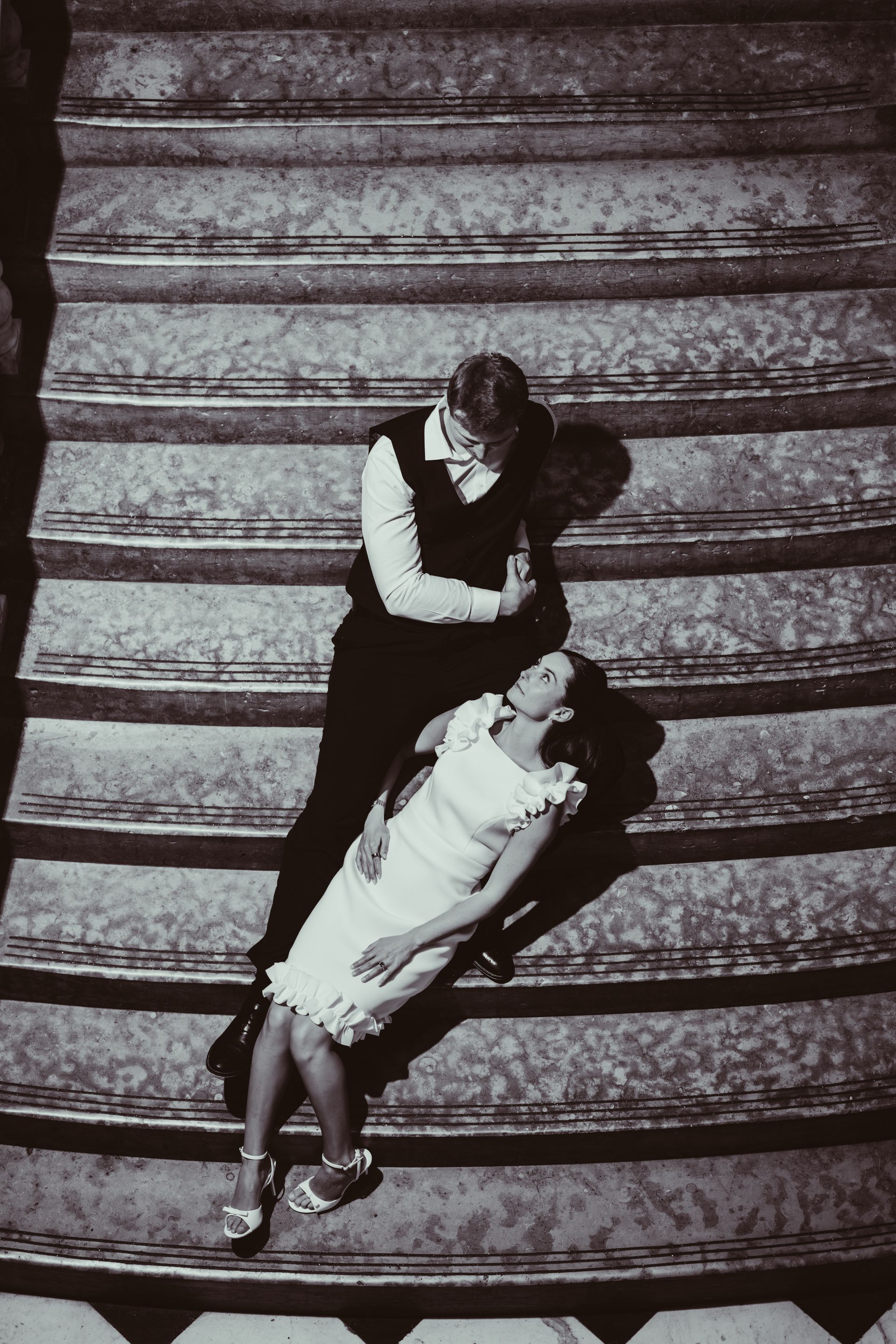
What 6 hours of wedding coverage usually looks like
Six hours of wedding coverage is usually best for couples planning a more simple, efficient, or intimate wedding day. This often works well for smaller weddings, local ceremonies with little travel, or couples who care most about the main events rather than every part of the day.
A 6-hour timeline usually focuses on the essentials. That may include part of getting ready, the ceremony, portraits, and a portion of the reception. It can absolutely work well when the schedule is tight and the priorities are clear. If your ceremony and reception are at the same venue, your guest count is modest, and you do not need a lot of pre-ceremony or late-night dancing coverage, six hours may be enough.
What couples need to understand is that 6 hours is usually a highlights-focused option, not a full-day option. Something typically gets trimmed. That may be most of the getting ready portion, the full cocktail hour, extended family photos, or open dancing later in the evening. If you want a more complete story of the day, six hours can start to feel limited.
Six hours may be the right fit if: you are having a smaller wedding, your ceremony and reception are in one place, you are not doing a grand exit, or you mainly want the core parts of the day covered well.
For couples who want a simpler package and already know they do not need every chapter of the day documented, six hours can be a smart choice.
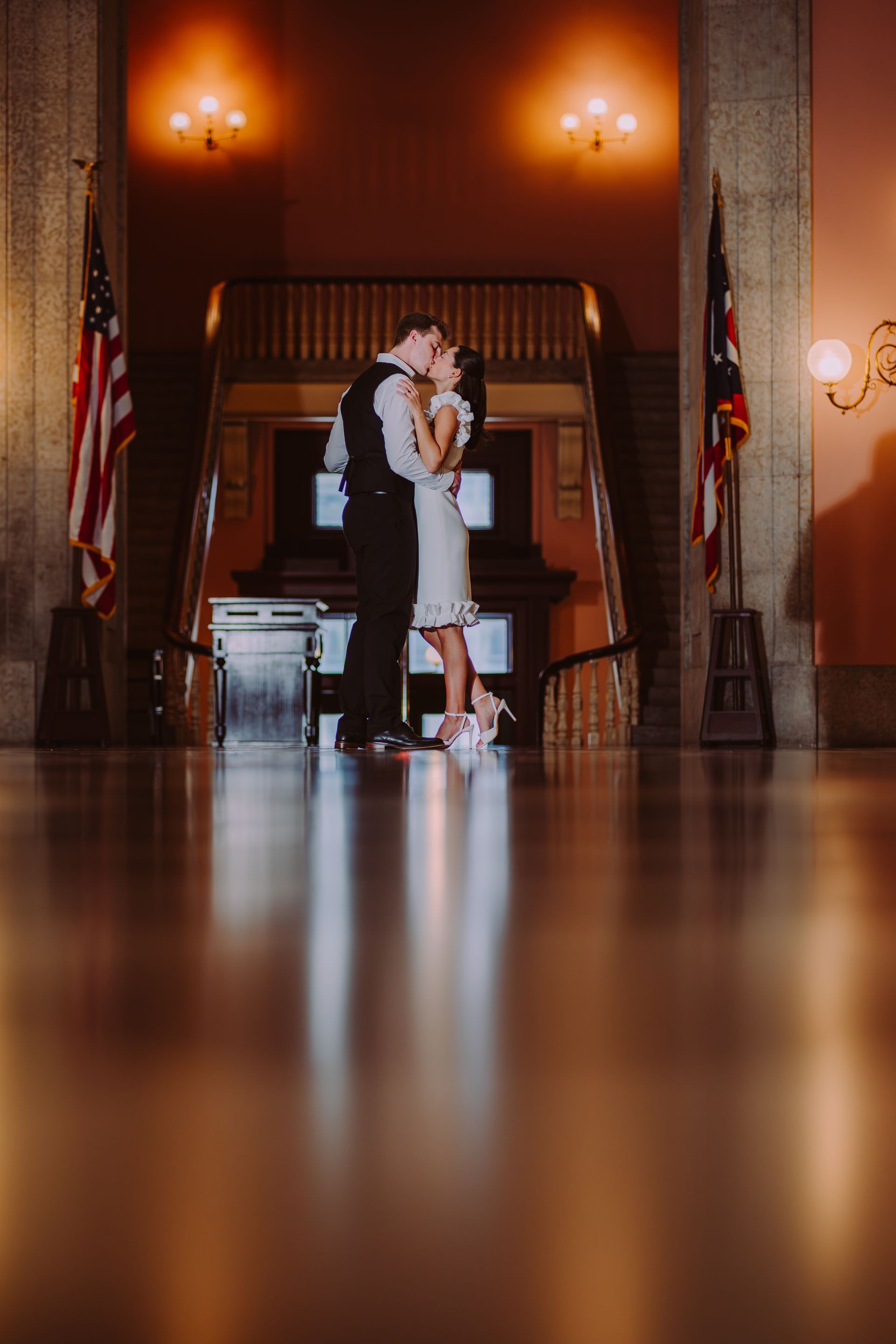
What 8 hours of wedding coverage usually looks like
For most weddings, 8 hours is the sweet spot. This is the coverage length that gives couples a much more balanced story without jumping all the way into all-day coverage. In many cases, 8 hours allows enough time for details, some getting ready coverage, the ceremony, portraits, cocktail hour, reception events, and a little open dancing. It gives the day more breathing room and reduces the pressure to rush every transition.
This is one reason so many couples land on 8 hours. It often covers the most important parts of the wedding day without feeling too short or too excessive. If you want your final photos or wedding film to feel complete, polished, and emotionally connected from beginning to end, 8 hours is often the most practical investment.
It is also a great fit for couples who want flexibility. Maybe hair and makeup run a little late. Maybe family formals take longer than expected. Maybe the ceremony starts a few minutes behind schedule. Eight hours gives you more room for real-life delays without immediately cutting into another important part of the day.
In many Central Ohio weddings, 8 hours is enough to tell the story well. For example, if you are getting ready at one location, holding your ceremony at the venue, and planning a standard reception timeline, 8 hours often gives you the best balance between coverage and budget.
If you are unsure which package to choose, 8 hours is usually the safest option for couples who want strong coverage without overthinking every minute.
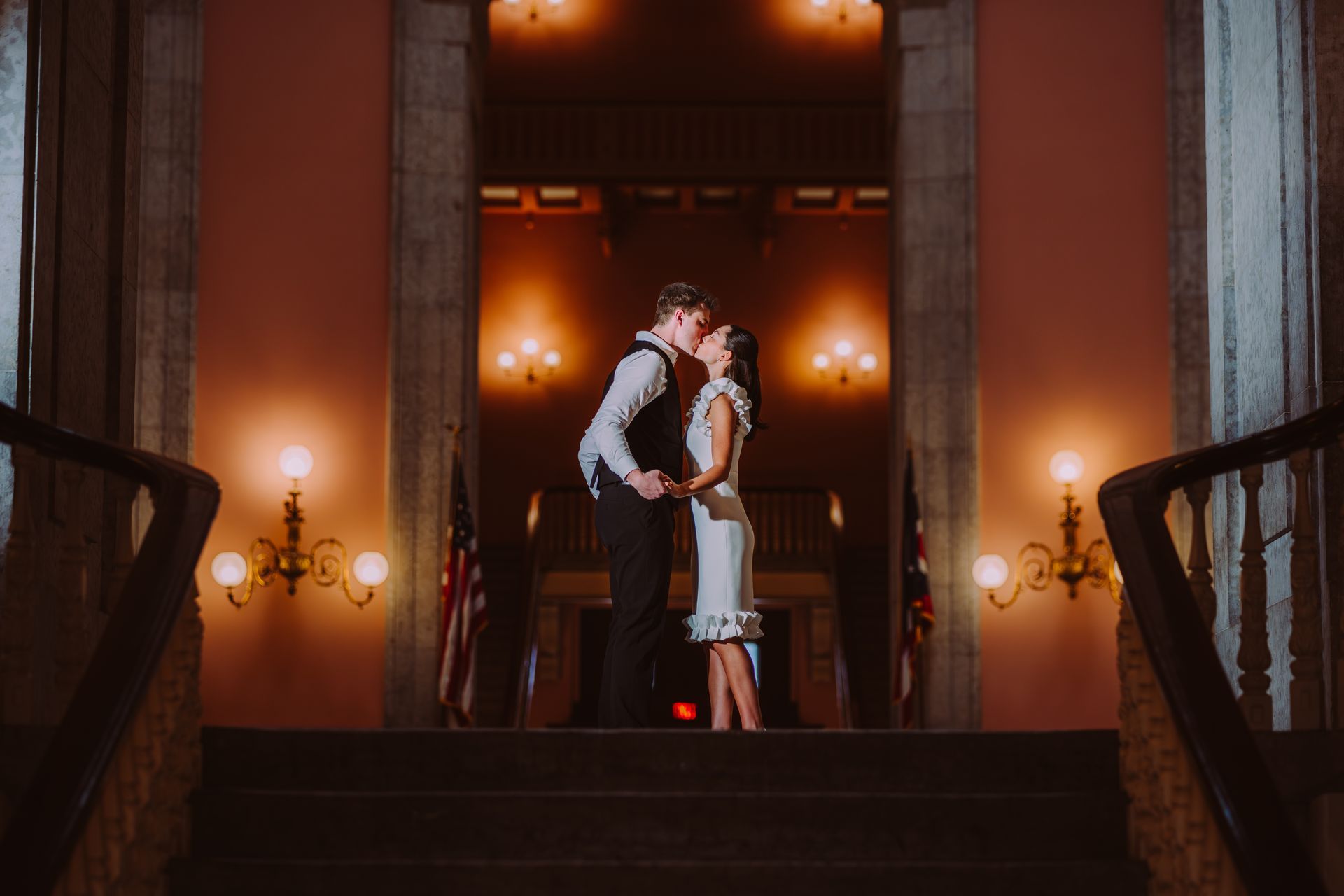
What 10 hours of wedding coverage usually looks like
Ten hours is where the day starts to feel fully documented. This is the best choice for larger weddings, weddings with multiple locations, cultural or traditional events, longer reception timelines, or couples who simply do not want to feel rushed. If your wedding day begins early and ends late, 10 hours gives your creative team the time to capture it properly.
With 10 hours, there is usually enough room for fuller getting ready coverage, venue and detail shots, first look, wedding party portraits, ceremony, family photos, cocktail hour, reception events, sunset portraits, and more dancing or exit coverage later in the night. Instead of squeezing the day into a tight window, 10 hours lets the story unfold more naturally.
This extra time matters more than people think. Some of the best moments are not the big scheduled ones. They happen in between. A parent helping with final touches before the ceremony. A reaction during a speech. A quiet moment between the couple after the reception slows down. A packed dance floor late into the night. Those moments are easier to capture when the day is not operating under constant time pressure.
Ten hours is often the right fit if: you have separate getting ready locations, you are planning a church ceremony plus a separate reception venue, you want more relaxed portrait time, you have a large guest count, or your celebration includes extra traditions, performances, or events throughout the day. For couples who want the fullest story and the least amount of compromise, 10 hours gives the most freedom.
The real difference is not just time. It is what you might miss.
When couples compare 6, 8, and 10 hours, they often focus only on the number. But the better question is: What parts of your wedding day matter enough that you would be disappointed if they were not captured? That is the real decision.
If you only care about the ceremony, portraits, and major reception events, six hours may be perfect. If you want a more complete and relaxed version of the day, eight hours usually makes the most sense. If your day is more layered, more spread out, or more important to fully document, ten hours is often worth it.
The
difference between packages is often the difference between capturing part of the day versus the full story.
rushing through moments versus having room to enjoy them, and choosing what to leave out versus documenting the day with more freedom.
How to decide what coverage you really need
The best way to choose is to build your timeline backward from your must-have moments. Start by asking yourself what you absolutely want documented. Do you care about getting ready? Do you want a first look? Are sunset portraits important to you? Do you want full speeches and special dances? Do you want dancing coverage after the formalities? Are there multiple venues involved? Is travel time part of the day?
Once you answer those questions honestly, the right number of hours usually becomes much clearer. Couples often choose too little coverage because they assume they can just “fit everything in.” The problem is that wedding days rarely run perfectly on time. A little extra room in the schedule can protect your experience and improve the final result. If your timeline feels tight on paper, it will usually feel even tighter on the actual day.
Common situations where 6 hours is enough
Six hours can be a great fit for a more intimate wedding with one venue, a short guest list, minimal travel, and a clear focus on the main moments. It also works well when couples are comfortable skipping most of the prep or late-night dancing in exchange for a more budget-friendly option.
It is especially practical for couples having a shorter ceremony and a more straightforward reception schedule. If your wedding day is intentionally simple, six hours may feel efficient rather than limiting.
Common situations where 8 hours is the better choice
Eight hours is often best when couples want a fuller story without needing full-day coverage. This works especially well for standard wedding timelines where getting ready, ceremony, portraits, and the major reception events all matter.
It is also ideal for couples who want their wedding team to have enough time to work creatively rather than constantly racing from one event to the next. If you want the day to feel well-covered and well-paced, eight hours is hard to beat.
Common situations where 10 hours is worth it
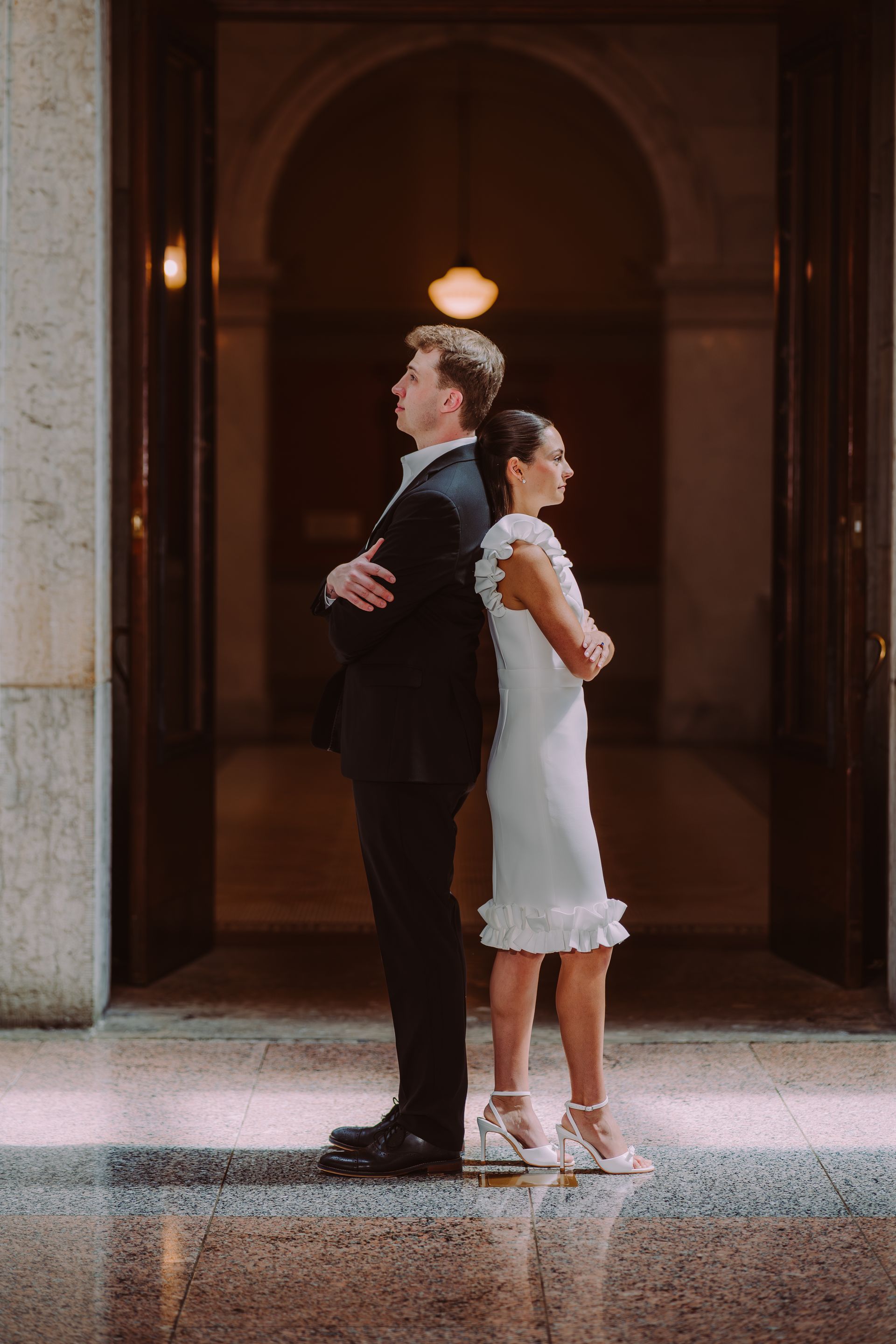
Ten hours is worth serious consideration when the day includes travel, larger families, more formalities, multiple locations, or a longer reception. It is also a strong option for couples who do not want to stress about the timeline all day.
If your goal is to capture not just the structure of the wedding but the atmosphere of the full experience, 10 hours usually delivers the strongest result.
So, what do most couples really need?
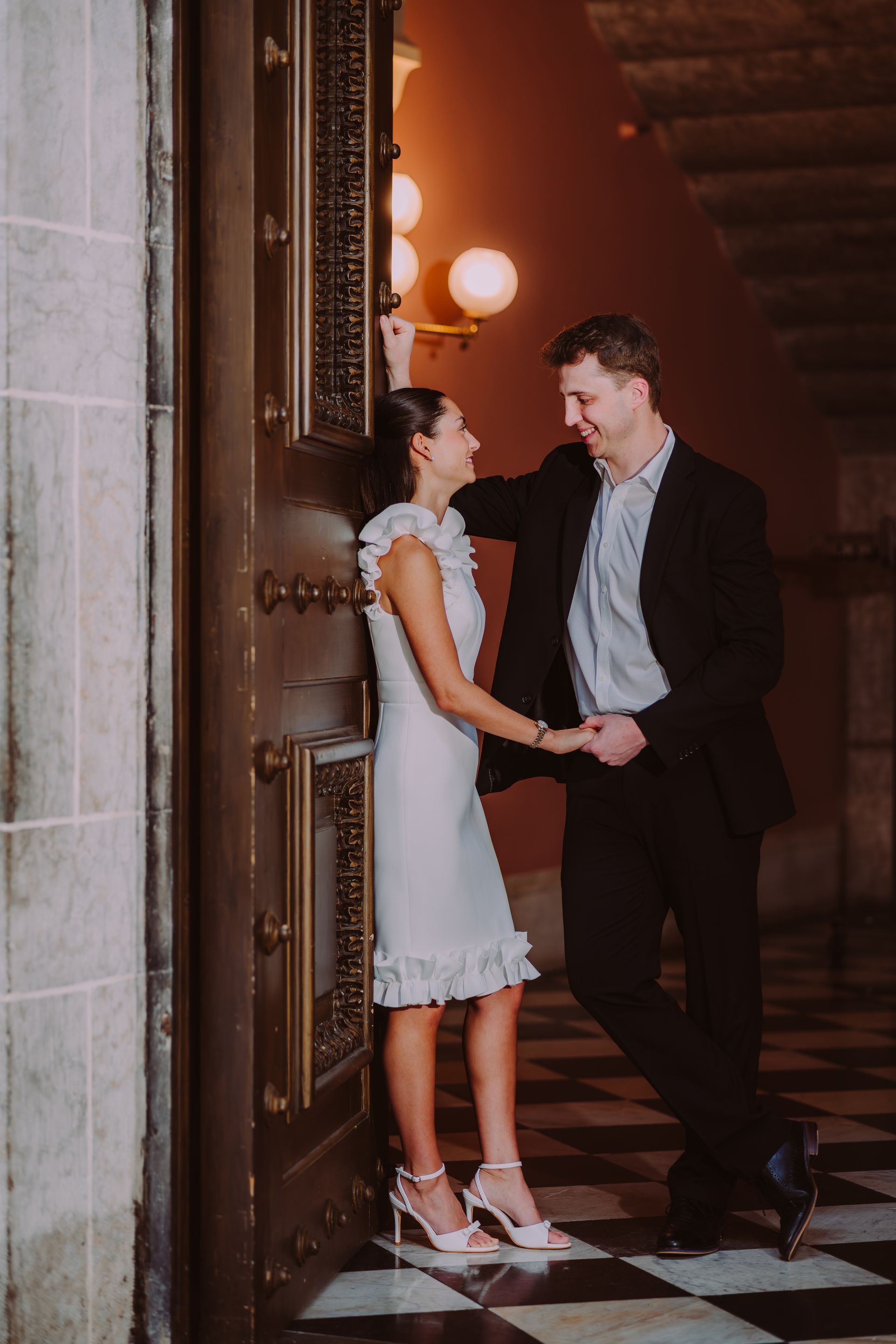
Most couples do best with 8 hours of wedding coverage. It is long enough to tell the story well, flexible enough to absorb small delays, and balanced enough to cover the most important parts of the day without feeling excessive. That said, not every wedding is the same. A small, efficient wedding may only need 6 hours. A larger or more detailed celebration may clearly need 10.
The best package is not the one with the biggest number. It is the one that matches your timeline, your priorities, and the kind of final memories you want to keep.
If you are still deciding, a simple rule is this: Choose 6 hours if your day is smaller and more streamlined. Choose 8 hours if you want the best overall balance. Choose 10 hours if you want a more complete, relaxed, and fully documented wedding day.
Final thoughts
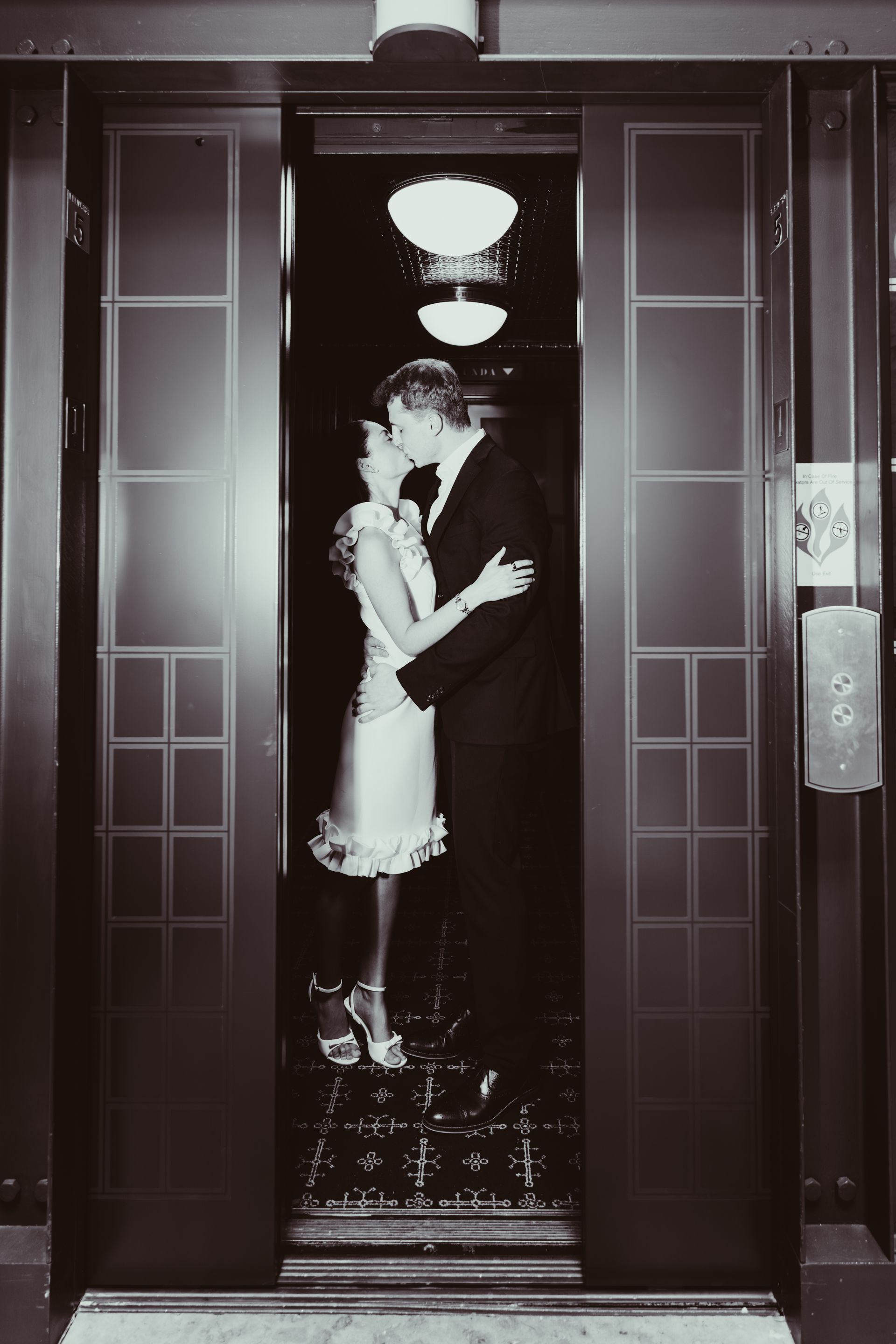
When your wedding is over, your photos and films are what help you relive it. That is why coverage matters. You are not just booking time. You are deciding how much of your story gets preserved.
The right amount of coverage should let you enjoy the day, not race through it. It should support the experience you want and protect the moments that matter most. Whether that is 6, 8, or 10 hours, the goal is the same: to make sure your wedding day is captured in a way that feels complete, meaningful, and true to you.
Frequently Asked Questions About Wedding Coverage Hours
Is 6 hours of wedding coverage enough?
Six hours of wedding coverage can be enough for smaller weddings, shorter timelines, or couples who mainly want the ceremony, portraits, and key reception moments captured. It usually works best when everything is happening at one location and there is little travel time involved.
Is 8 hours of wedding coverage enough?
For most couples, yes. Eight hours is often the best balance because it usually allows time for parts of getting ready, the ceremony, portraits, cocktail hour, and important reception events. It is one of the most popular choices for couples who want solid wedding photo and video coverage without feeling rushed.
Is 10 hours of wedding coverage worth it?
Ten hours is worth it when your wedding day includes multiple locations, a larger guest count, cultural traditions, a longer reception, or when you want fuller getting ready and dancing coverage. It gives more flexibility and helps capture the day in a more complete way.
How many hours of wedding videography do I really need?
The right amount depends on your timeline and priorities. If you only want the major events covered, 6 hours may work. If you want a more complete story of the day, 8 hours is usually ideal. If you want fuller coverage from getting ready through late reception moments, 10 hours is often the better fit.
How many hours of wedding photography do I need?
Wedding photography coverage often follows the same logic as videography. Smaller weddings may only need 6 hours, while most full wedding days need 8 hours. Larger or more detailed weddings often benefit from 10 hours of coverage so nothing important feels rushed or missed.
What is usually included in 6, 8, or 10 hours of wedding coverage?
That depends on the team and package, but in general:
6 hours usually covers the main events,
8 hours often covers a fuller portion of the day,
and 10 hours typically allows for more complete wedding day storytelling from prep through more of the reception.
What happens if we book too little wedding coverage?
If you book too little coverage, you may have to cut out part of the day such as getting ready, cocktail hour, sunset portraits, or open dancing. Shorter coverage can also make the timeline feel more rushed, especially if there are delays or travel between locations.
Should we book more wedding coverage just to be safe?
In many cases, yes. A little extra coverage gives your day more breathing room and helps protect against delays. Couples often regret not having enough coverage more than they regret having a little extra time built in.
Is 8 hours the most common wedding coverage package?
Yes, for many weddings 8 hours is the most common and practical option. It gives enough time for a strong mix of pre-ceremony moments, the ceremony, portraits, and reception coverage while still being budget-conscious compared to longer coverage.
How do we know which wedding coverage package is right for us?
Start with your timeline and list your must-have moments. Think about whether you want getting ready, a first look, full ceremony coverage, sunset portraits, speeches, dances, and open dancing captured. Once you know what matters most, it becomes much easier to choose between 6, 8, and 10 hours.
Looking for a
wedding videographer or photographer in Columbus, Ohio, or anywhere in Central Ohio? Reach out to
Kodjoarts to learn more about our wedding coverage options and find the package that fits your day best.